A Visit to the San Jacinto Monument and USS Texas
One of our family goals this year is to visit at least three Texas historical sites. The Battle of San Jacinto was fought in modern day La Porte, Texas, just east of Houston. Even though the weather was rainy and blustery, we were determined to enjoy each other’s company and further our goal despite what the skies were saying. From our house, it takes about an hour to get to the location of this final battle where Texas won its independence from Mexico in 1836. From that underdog and unconventional victory, Texas was instantly transformed from being a underrepresented and under-appreciated territory of a dictatorship to its own sovereign nation.
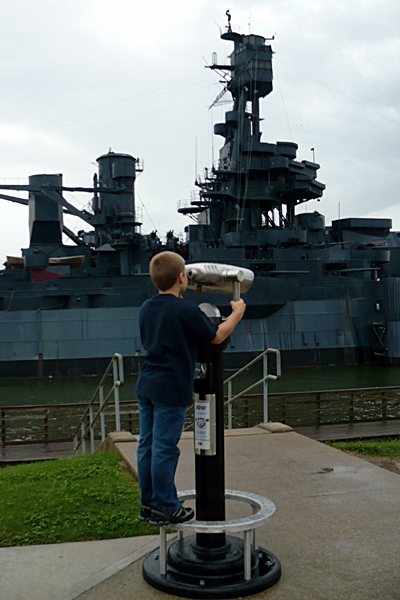
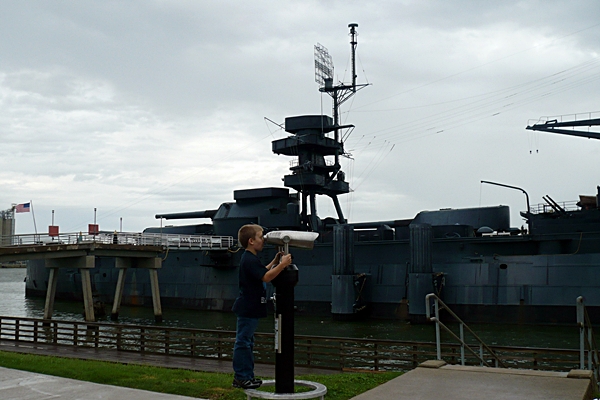
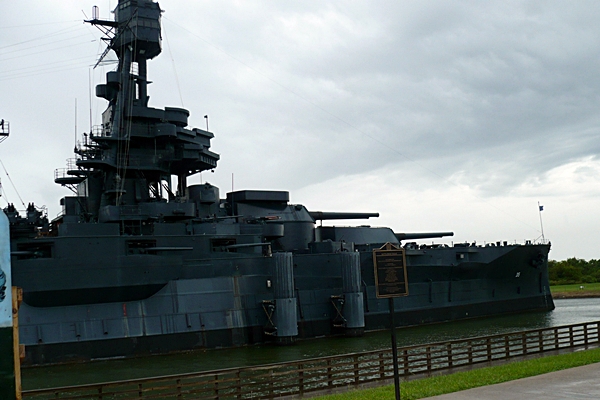
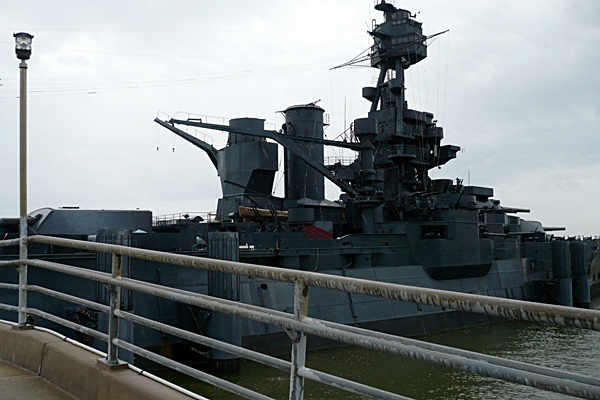
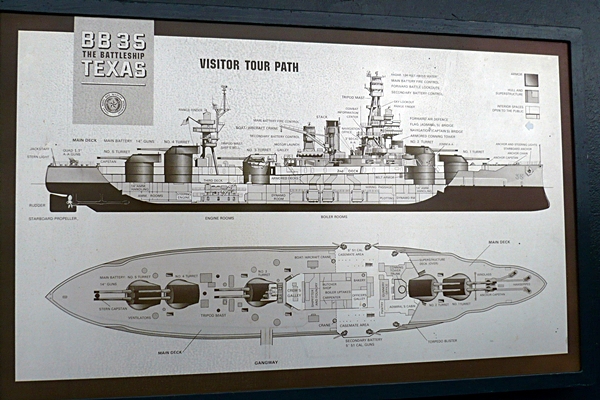
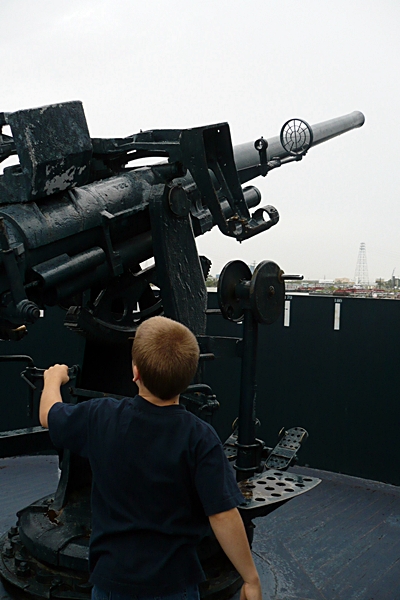
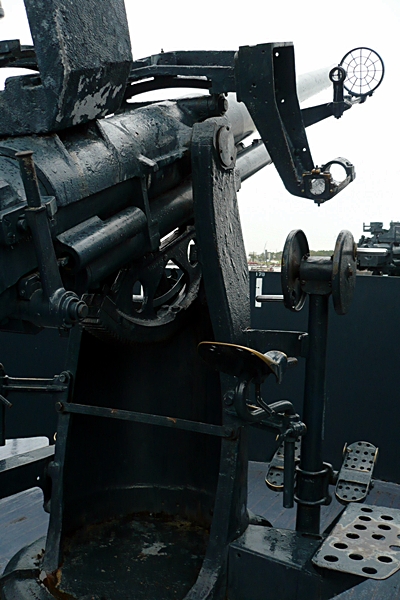
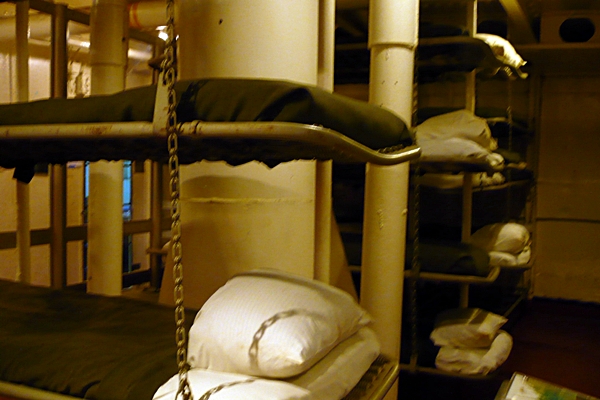
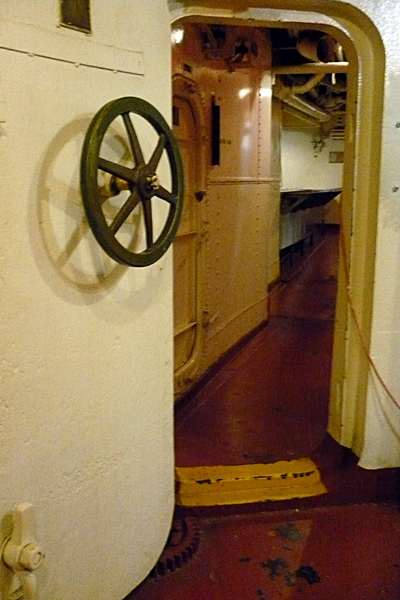
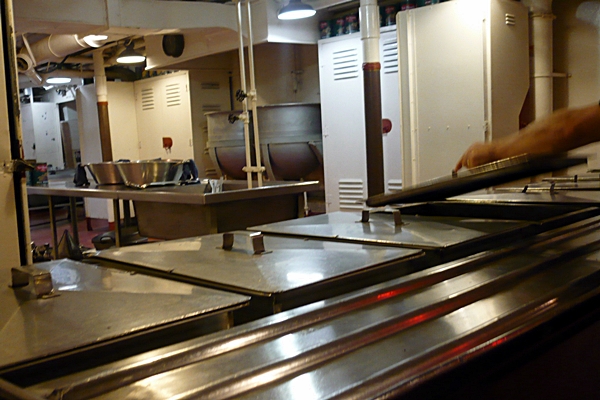
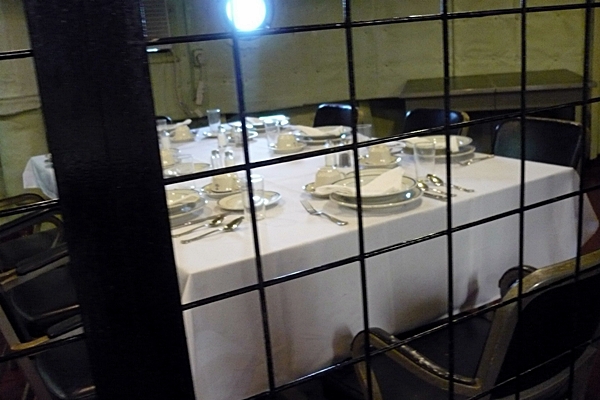
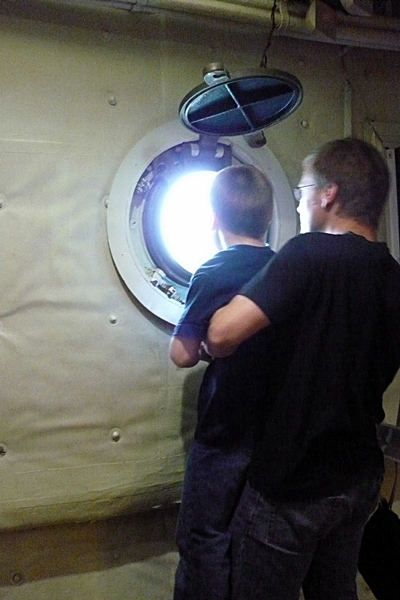
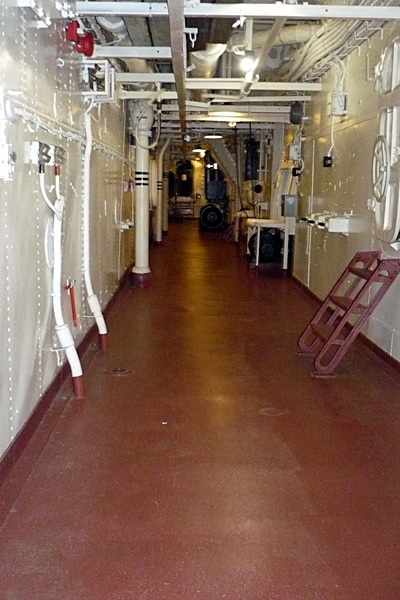
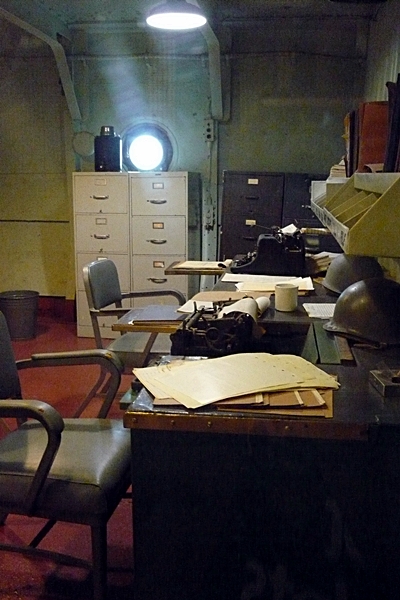
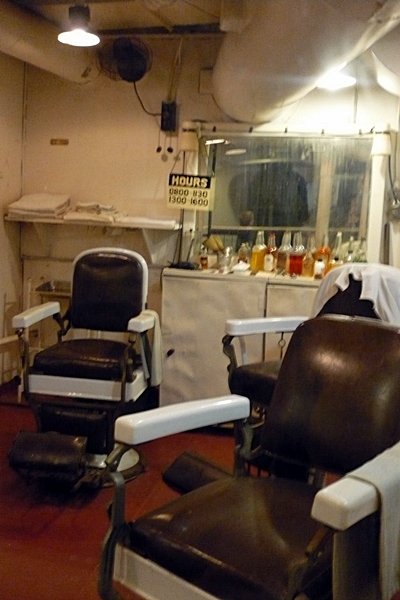
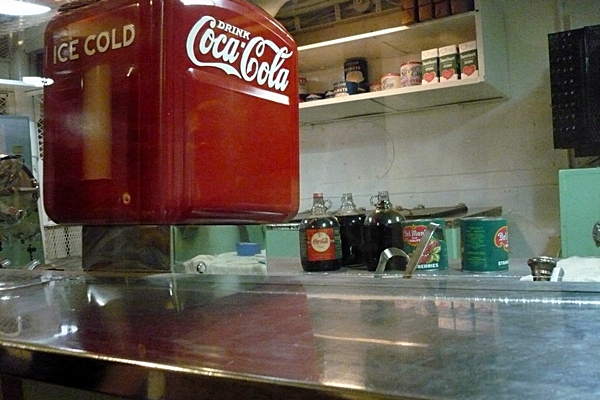
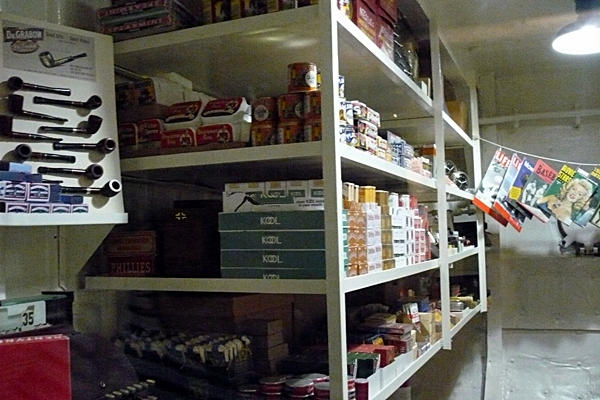
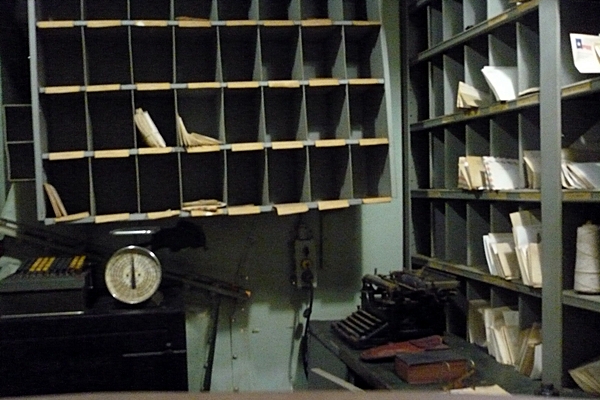
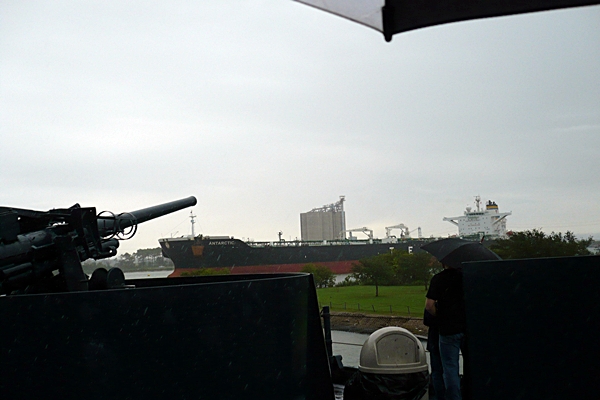
Before visiting the battlefield, we stopped and visited the nearby USS Texas, a WW I battleship docked in a dedicated slip off of Buffalo Bayou and the Houston Ship Channel (video). The ship’s restoration was commissioned in 1990 under Governor Clements and is still underway today. Several of the compartments are fully restored and underscore the inherent requirements of the ship’s self-sufficiency (i.e., the barber shop, the dentist, the surgical ward, a soda fountain). Another observation was the location and accommodations of ranks on the ship. The officers ate, slept and worked toward the bow (front) of the ship where it was quieter. As we made our way aft (rearward) on the ship, we noticed that the ranks became lower and lower. The common shipmen class worked, ate and slept in much more modest conditions aft, toward the stern, where living and working in close proximity of the engine rooms meant putting up with the constant noise and incessant vibration. In my opinion, the lowest job on the ship had to be the shoveling of coal into the boilers. We could, even now, sense the dank, still air down on the third deck. It must have been miserable.
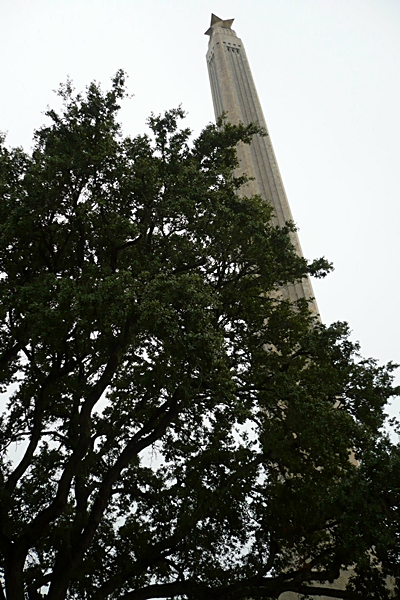
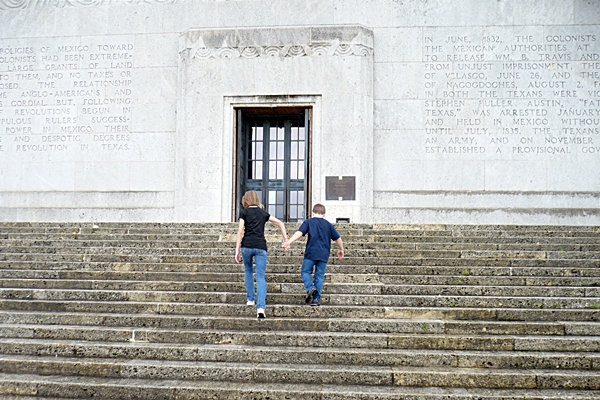
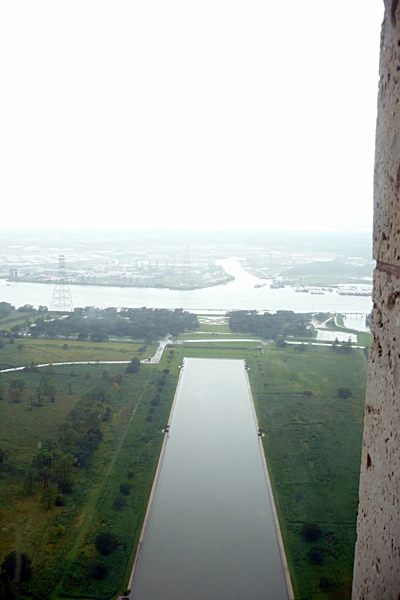
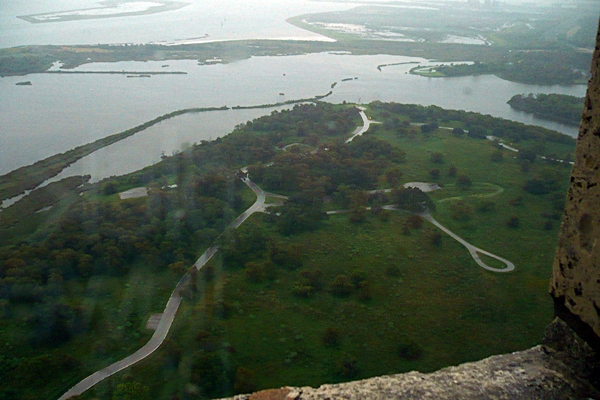
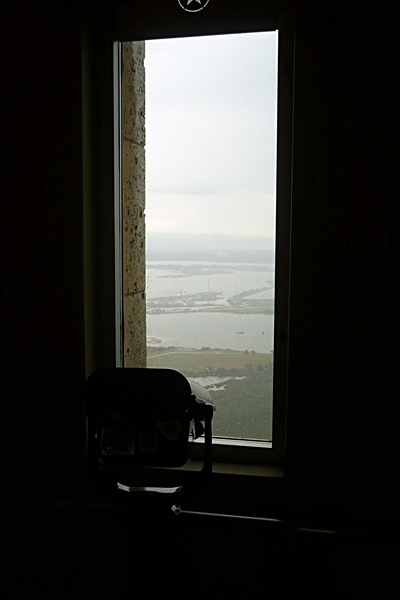
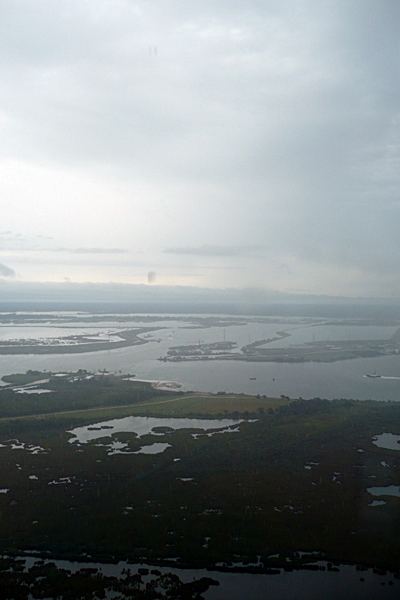
From the ship, it was a short drive within the same state park to the San Jacinto Monument, a look-alike of the Washington Mall and Monument. Leave it to Texans to make the San Jacinto Monument not only the world’s tallest war memorial, but also 15-foot taller that the Washington Monument in Washington DC. The memorial sits precisely on the ridge that separated the Mexican and Texas armies prior to the final battle April 21st, 1836. Inside the memorial is a museum of Texas artifacts dating back to Nuevo España times (1535). Massive acrylic paintings, depicting milestones in Tejas history, line chamber walls crowned by ornate twenty foot ceilings. We took an elevator up to the observation deck overseeing the landscape and surrounding areas. It was there that I finally understood the position of the armies on that fateful day. The battle was won decisively in less than twenty minutes. General Santa Anna surrendered. The Texas victory not only paved the way for Texas independence and annexation to the US, but led to the inevitable US-Mexican War in which Mexico ceded over a half-million square miles of land to the US (becoming California, Arizona, Nevada, Colorado, Utah, and parts of Colorado, Wyoming and New Mexico).
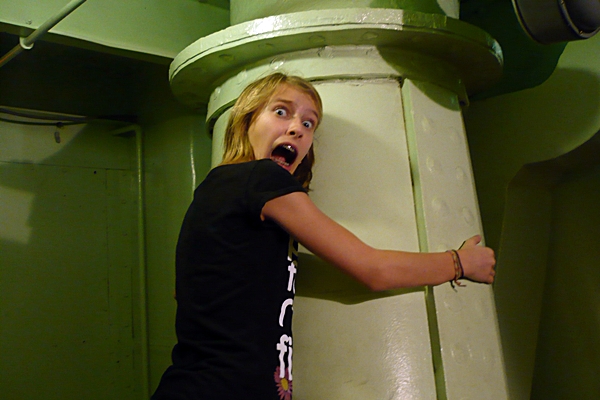
All the pictures in the album below are courtesy of Rebecca (except for the pictures she is in, of course). Enjoy!
-D